
 An Initiative of the Tasmanian Government
PTSDAwareness
Support starts with small check-ins with yourself and others
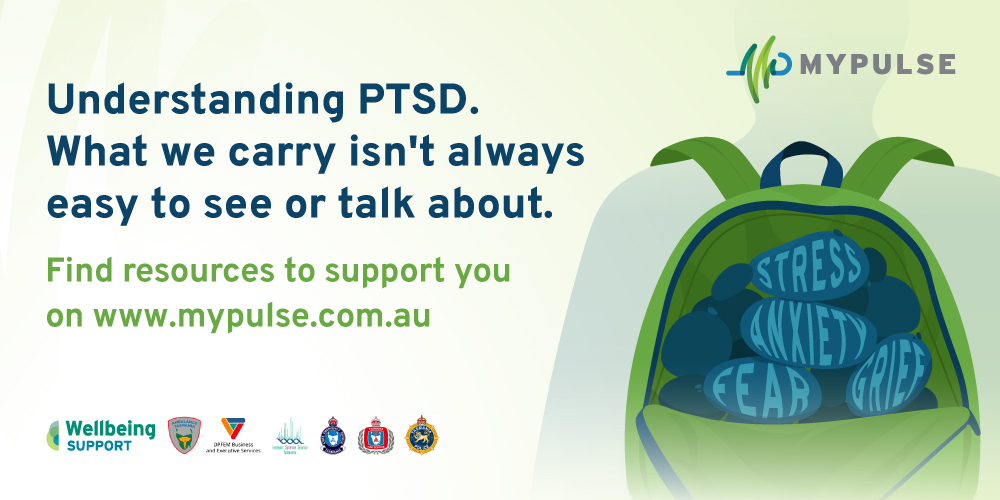
What we carry isn’t always easy to see or talk about. For many people working and volunteering across the emergency services community, exposure to challenging and traumatic experiences is part of the job, but that doesn’t mean the impact is always visible. Post Traumatic Stress Disorder (PTSD) can affect how people think, feel, and cope day to day, and it can show up differently for everyone.
If you’re navigating your own experience, this is a reminder to make yourself the priority. Support looks different for everyone. Your pathway could be accessing professional help, learning more about PTSD, or taking small steps to care for your wellbeing.
In those moments where you have a bit more time to give, looking out for our colleagues might be as simple as reaching out for a quick check-in. Noticing when someone might not be their usual self can make a real difference.
For leaders and managers, knowing your people is key. Creating an environment where conversations feel safe, support is visible, and early help is encouraged can help reduce the barriers many face in speaking up.
Don’t wait until it’s hard, Check in while it’s easy. Make yourself the priority today by completing a MyPulse mental health screen.
Need some help on where to start? The following resources offer practical guidance for supporting yourself, your colleagues, and those close to you:
- Wellbeing Support Fact Sheet: Trauma & PTSD
- CISM Fact Sheet: Information for family and friends of those affected by a critical incident
- In conversation podcast: Dr John Lane & Matt Richman talk PTSD awareness and prevention.
- Not fixed, not broken: Cliff's story of post-traumatic growth (Beyond Blue)
Are you in need of immediate assistance? Click here for support.